Fabric Photo Frame Patterns 8 Sizes
Whether you're a creative hobbyist, a professional designer, or someone looking for a unique way to display photos and art, Fabric Photo Frame Patterns 8 Sizes offer a versatile and customizable solution. These patterns are designed to help you create beautiful, functional frames that can be tailored to your specific needs and style. With eight different sizes and three types of fabric application methods, the possibilities are endless.
Why Fabric Photo Frame Patterns 8 Sizes Matter
For beginners, these patterns provide an accessible entry into the world of fabric crafts. They require minimal tools and materials, making them ideal for those new to sewing or crafting. For professionals and creators, they offer a cost-effective way to produce custom frames for clients or personal projects. Educators might use them as teaching tools to engage students in hands-on learning, while small business owners could leverage them for creating branded or personalized products for sale.
Customization for Every Need
The flexibility of these patterns allows users to adapt them to various applications. A wedding planner might use them to create elegant place card holders or favors, while a stationery store owner could craft decorative desk accessories or gift wrap displays. The ability to repurpose fabric scraps, clothing, or even items like dad’s neckties or jeans adds a personal touch and reduces waste.
Types of Fabric Photo Frame Patterns
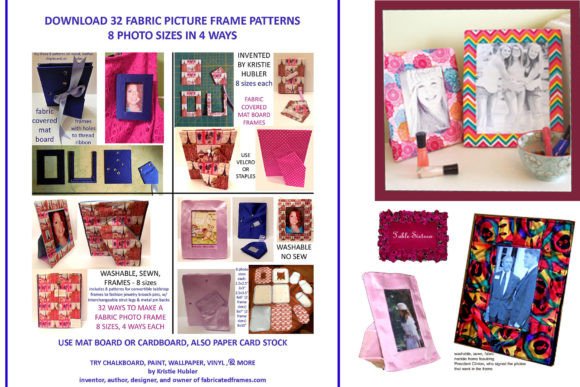
There are three main ways to make these frames: sewn washable, no-sew non-washable, and fabric-covered mat board or cardboard parts. Each method has its own advantages depending on the user's skill level and project goals.
- Sewn Washable Frames: Ideal for those who want a durable, reusable frame that can be cleaned easily. Perfect for frequent use in events or daily displays.
- No-Sew Non-Washable Frames: Great for quick projects or those who prefer a simpler process. These are suitable for temporary displays or personal use where washing isn't necessary.
- Fabric-Covered Mat Board or Cardboard Parts: Offers a lightweight and affordable option. Best for those looking for a more artistic or decorative approach without the need for sewing.
Choosing the Right Method
Beginners may find the no-sew option most appealing due to its simplicity. However, experienced crafters might prefer the sewn version for its durability and versatility. Professionals working on commercial projects may opt for the fabric-covered mat board method to achieve a polished look with minimal effort.
Applications Beyond Photos
These frames aren’t just for displaying photos. They can serve as creative tools for a wide range of uses. For instance, a teacher might use them to hang poems or educational materials in a classroom. A blogger could incorporate them into their content by displaying artwork or design samples. Even a small business owner might use them as part of a marketing strategy to showcase products in a visually appealing way.
Repurposing and Personalization
One of the most exciting aspects of these patterns is the potential for personalization. Using fabric scraps from a loved one or repurposing old clothing adds sentimental value and uniqueness. Whether it's a vintage tie transformed into a frame or a piece of denim turned into a door hanger, the creative possibilities are vast.
Practical Examples for Different Audiences
Beginners: Start with the no-sew method using simple materials from a craft store. Create a small frame for a family photo or a birthday card holder.
Professionals: Use the sewn washable option to create high-quality frames for client presentations or product displays. Customize with luxury fabrics for a premium look.
Educators: Incorporate the fabric-covered mat board method into a lesson plan about recycling and creativity. Students can design their own frames using recycled materials.
Entrepreneurs: Offer custom fabric frames as a product line. Market them as eco-friendly, handmade accessories that can be used in various settings.
Decision Factors for Different Users
When choosing between the different methods, consider factors such as ease of use, cost, quality, and long-term usefulness. Beginners may prioritize ease of use and affordability, while professionals might focus on quality and presentation. Creators and hobbyists often value flexibility and creativity, allowing them to experiment with different materials and designs.
Conclusion
Fabric Photo Frame Patterns 8 Sizes offer a practical and creative solution for a variety of users. Whether you're a beginner looking to explore crafting, a professional seeking a cost-effective display method, or an educator aiming to engage students, these patterns provide a versatile and adaptable resource. By understanding how different audiences may benefit from them, you can determine whether these patterns align with your goals and needs.