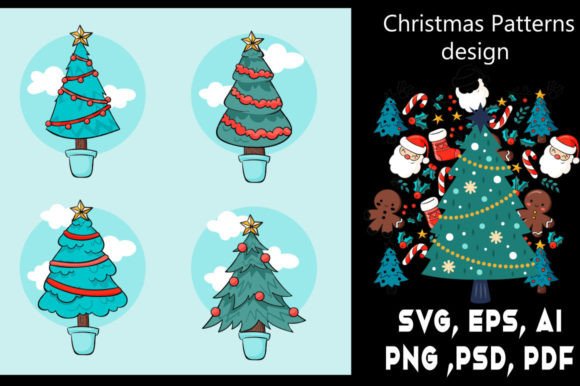
Christmas Tree Design: A Strategic Tool for Creative and Business Success
Christmas Tree Design is more than just a festive decoration. It’s a visual framework that can be strategically applied to enhance creativity, planning, and communication in both personal and professional contexts. Whether you're an entrepreneur, marketer, or content creator, understanding how to use this design effectively can lead to better decision-making and more impactful outcomes.
The Strategic Value of Christmas Tree Design
At its core, Christmas Tree Design represents a hierarchical structure where elements are arranged like branches on a tree—each with its own significance and purpose. This model is not only visually appealing but also highly functional when used as a tool for organizing ideas, goals, or processes.
For instance, in business settings, the tree can serve as a strategic roadmap. The trunk represents your core mission or vision, while each branch symbolizes different departments, products, or services. This visualization helps in identifying areas that need attention, growth, or re-evaluation. By breaking down complex systems into manageable parts, it supports clarity and focus.
Why Use Christmas Tree Design?
- Enhances Creativity: The structured yet flexible nature of the design encourages brainstorming and innovation. It allows you to explore multiple angles without losing sight of the main objective.
- Supports Planning: Whether you're designing a marketing campaign, launching a product, or organizing an event, the tree provides a clear layout for prioritizing tasks and resources.
- Improves Communication: Visual tools like the Christmas Tree Design make it easier to convey complex ideas to stakeholders, teams, or clients. It bridges the gap between abstract concepts and tangible outcomes.
- Boosts Productivity: By categorizing information in a logical hierarchy, the design streamlines workflows and reduces decision fatigue.
- Strengthens Branding: When applied to branding strategies, the design can help align messaging, visuals, and customer experience under a unified structure.
When to Use Christmas Tree Design
The versatility of the Christmas Tree Design makes it suitable for a wide range of scenarios. Here are some practical use cases:
1. Marketing Strategy Development
Creating a Christmas Tree Design for your marketing plan can help you break down your campaign into key components such as audience targeting, content creation, distribution channels, and performance metrics. Each branch can represent a different aspect of your strategy, making it easier to track progress and adjust tactics as needed.
2. Product Launch Planning
When launching a new product, the design can be used to outline stages such as research, development, testing, and launch. This ensures that all critical steps are accounted for and that no detail is overlooked.
3. Team Collaboration
In team environments, the design serves as a collaborative tool. It can be used to map out project timelines, assign responsibilities, and track milestones. Its visual nature fosters transparency and accountability among team members.
4. Educational Content Creation
For educators or content creators, the design can help organize lesson plans, course structures, or learning modules. It supports a structured approach to teaching and ensures that all necessary topics are covered in a logical sequence.
How to Approach Christmas Tree Design
Before diving into the design process, consider the following steps to ensure effective implementation:
- Define Your Core Objective: Start by identifying the central goal or theme. This will act as the trunk of your tree and guide the rest of the design.
- Break Down Components: Identify the main branches based on key areas or categories relevant to your objective. These could be departments, products, services, or phases of a project.
- Assign Sub-Branches: Each main branch should have sub-branches representing specific tasks, strategies, or resources. This level of detail ensures comprehensive coverage of your plan.
- Visualize the Structure: Use tools like graphic design software, whiteboards, or digital platforms to create a visual representation. This enhances clarity and facilitates discussion.
- Review and Refine: Regularly assess the design to ensure it remains aligned with your goals. Adjustments may be necessary as priorities shift or new insights emerge.
Considerations Before Relying on Christmas Tree Design
While the Christmas Tree Design offers numerous benefits, it's important to use it intentionally rather than randomly. Here are some considerations:
- Clarity of Purpose: Without a clear objective, the design can become cluttered and ineffective. Ensure that every element added serves a specific purpose.
- Context Matters: The design should be tailored to the specific context in which it's being used. What works for one project may not be suitable for another.
- Balance Simplicity and Detail: Too much complexity can overwhelm users. Strive for a balance that keeps the design easy to understand while still providing enough detail for effective use.
- Regular Updates: As projects evolve, so should your design. Set aside time to review and update the structure to reflect current needs and goals.
Practical Examples and Decision-Making Guidance
To illustrate the practical application of Christmas Tree Design, let’s consider a small business owner looking to revamp their online presence:
The trunk would represent the overall brand identity. Branches could include website design, social media strategy, email marketing, and customer service. Sub-branches might cover specific campaigns, content types, or engagement tactics. This structure enables the owner to prioritize efforts, allocate resources effectively, and measure success across different areas.
Similarly, a blogger aiming to increase traffic might use the design to outline content themes, SEO strategies, audience engagement tactics, and analytics tracking. Each branch represents a key area of focus, ensuring that no part of the strategy is neglected.
Long-Term Value and Strategic Observations
One of the greatest advantages of the Christmas Tree Design is its adaptability. As your goals and circumstances change, the design can evolve with you. This flexibility makes it a valuable tool for long-term planning and continuous improvement.
Strategically, the design supports a mindset of intentional action. It encourages thoughtful decision-making by forcing you to evaluate each component before adding it to the structure. This mindful approach leads to more sustainable results and fewer missteps.
Additionally, the design promotes a holistic view of your work. By seeing all elements connected, you’re more likely to identify synergies, optimize resources, and build stronger relationships with your audience or team.
Risks of Misusing Christmas Tree Design
Despite its benefits, the Christmas Tree Design can be misused if not approached thoughtfully. One common risk is overcomplication. Adding too many branches and sub-branches can lead to confusion and reduce the design’s effectiveness. It’s essential to maintain simplicity and focus on what truly matters.
Another potential issue is lack of alignment. If the design doesn’t reflect your actual goals or context, it may lead to wasted effort and missed opportunities. Always ensure that the structure supports your unique needs and objectives.
Finally, neglecting regular updates can result in outdated or irrelevant information. The design should be a living document that grows and changes alongside your projects and priorities.
Conclusion
Christmas Tree Design is a powerful visual tool that can enhance creativity, planning, and communication in both personal and professional settings. By using it strategically, you can achieve better results, improve productivity, and support long-term success. Remember to define your goals clearly, tailor the design to your context, and keep it adaptable for ongoing use.