Embroidery Abstract Navajo Style Design: A Versatile Art Form for Creative Projects
Embroidery Abstract Navajo Style Design is a unique blend of traditional craftsmanship and modern artistic expression. Rooted in the rich cultural heritage of the Navajo people, this design style has evolved into a versatile resource for creators across various industries. Whether you're an artist, designer, or small business owner, understanding how to incorporate these patterns can elevate your projects and open new creative possibilities.
The Essence of Embroidery Abstract Navajo Style Design
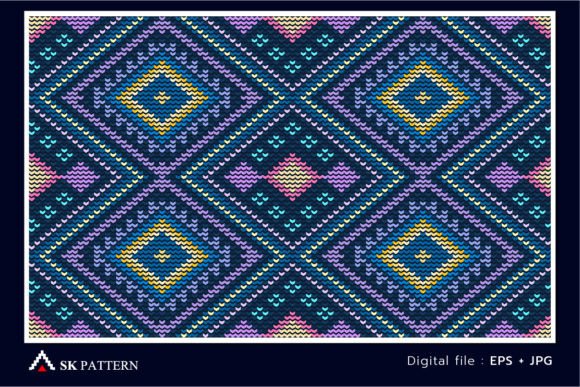
Navajo embroidery is known for its intricate geometric patterns and symbolic motifs that reflect the natural world and spiritual beliefs. The abstract interpretation of these designs allows for greater flexibility in application. These patterns are not just decorative; they carry deep meaning and can be adapted to suit a wide range of creative needs.
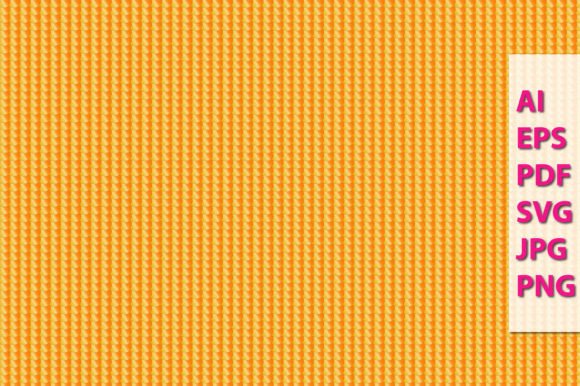
The files included—1 EPS file and 1 JPG file at 5686 x 3500 pixels with 300dpi—offer high-quality, scalable options for use in both digital and physical media. This makes them ideal for printing on fabric, canvas, and other materials, ensuring consistent quality regardless of the medium.
Applications Across Multiple Industries
Embroidery Abstract Navajo Style Design is more than just a visual element—it's a functional tool that can be integrated into various workflows. Here are some common applications:
- Wall Art: These designs can transform blank walls into stunning focal points, adding texture and depth to any space.
- Floor Pillows and Throw Blankets: Incorporating these patterns into home textiles brings a touch of cultural artistry into everyday living.
- Tapestries and Scarves: These designs add a layer of sophistication and uniqueness to accessories, making them perfect for gift-giving or personal use.
- Cushions and Dresses: From interior decor to fashion, these patterns offer endless styling opportunities.
- Gift Wrapping: Using these designs as wrapping paper or labels adds a personal and artistic flair to gifts.
- Skirts and Other Apparel: These patterns can be used to create one-of-a-kind garments that stand out in a market saturated with mass-produced items.
By integrating these designs into your creative process, you can enhance the aesthetic value of your work while also tapping into a growing demand for culturally inspired products.
How to Use Embroidery Abstract Navajo Style Design in Your Workflow
Whether you're working on a personal project or managing a business, knowing when and how to use these designs is key to maximizing their impact. Here are a few practical examples:
Before a Project: When planning a new product line, consider using these designs as a starting point for sketches or mood boards. They can help set the tone and direction for your creative vision.
During a Project: As you develop your product, these designs can serve as a reference for color schemes, textures, and layout. They can also guide decisions about material selection and production methods.
After a Project: Once your product is complete, these designs can be used for branding, packaging, or marketing materials. They provide a cohesive visual identity that resonates with your target audience.
Integration with Other Tools and Resources
Embroidery Abstract Navajo Style Design works best when combined with other tools and resources. For instance, using vector-based software like Adobe Illustrator or Inkscape allows for easy customization and scaling of the EPS file. The JPG file is ideal for quick previews or print-ready formats.
When designing for textiles, consider how these patterns interact with different fabrics. Some materials may require additional treatments or finishing techniques to ensure the design remains vibrant and durable. Understanding the properties of your chosen medium will help you achieve the desired outcome.
Additionally, these designs can be paired with other elements such as hand-painted details, embroidered accents, or mixed-media components. This creates a layered effect that enhances the overall visual appeal of your work.
Practical Tips for Implementation
To get the most out of Embroidery Abstract Navajo Style Design, follow these practical tips:
- Plan Ahead: Before incorporating these designs into your workflow, consider how they align with your goals and brand identity. This helps ensure consistency and relevance.
- Test Different Applications: Experiment with various uses to see what works best for your specific needs. This might include testing the design on different materials or in different environments.
- Ensure Quality: Always use high-resolution files to maintain clarity and detail. This is especially important when printing or reproducing the design.
- Organize Your Files: Keep your design files organized by project, format, and purpose. This makes it easier to access and reuse them in future projects.
- Seek Feedback: Share your work with others to gather insights and improve your approach. Constructive feedback can lead to better results and more creative solutions.
By following these steps, you can streamline your workflow and make the most of Embroidery Abstract Navajo Style Design in your creative endeavors.
Long-Term Use and Sustainability
When considering the long-term use of Embroidery Abstract Navajo Style Design, it's important to think about sustainability and adaptability. These designs can be used repeatedly across multiple projects, reducing the need for constant reinvention.
As trends evolve, these patterns can be reimagined to fit new aesthetics or markets. This adaptability ensures that your investment in these designs continues to pay off over time. Additionally, using these designs responsibly supports the preservation of cultural art forms while promoting ethical practices in the creative industry.
In conclusion, Embroidery Abstract Navajo Style Design offers a powerful combination of tradition and innovation. By understanding how to integrate these designs into your workflow, you can unlock new creative potential and deliver high-quality, meaningful work to your audience.